
News
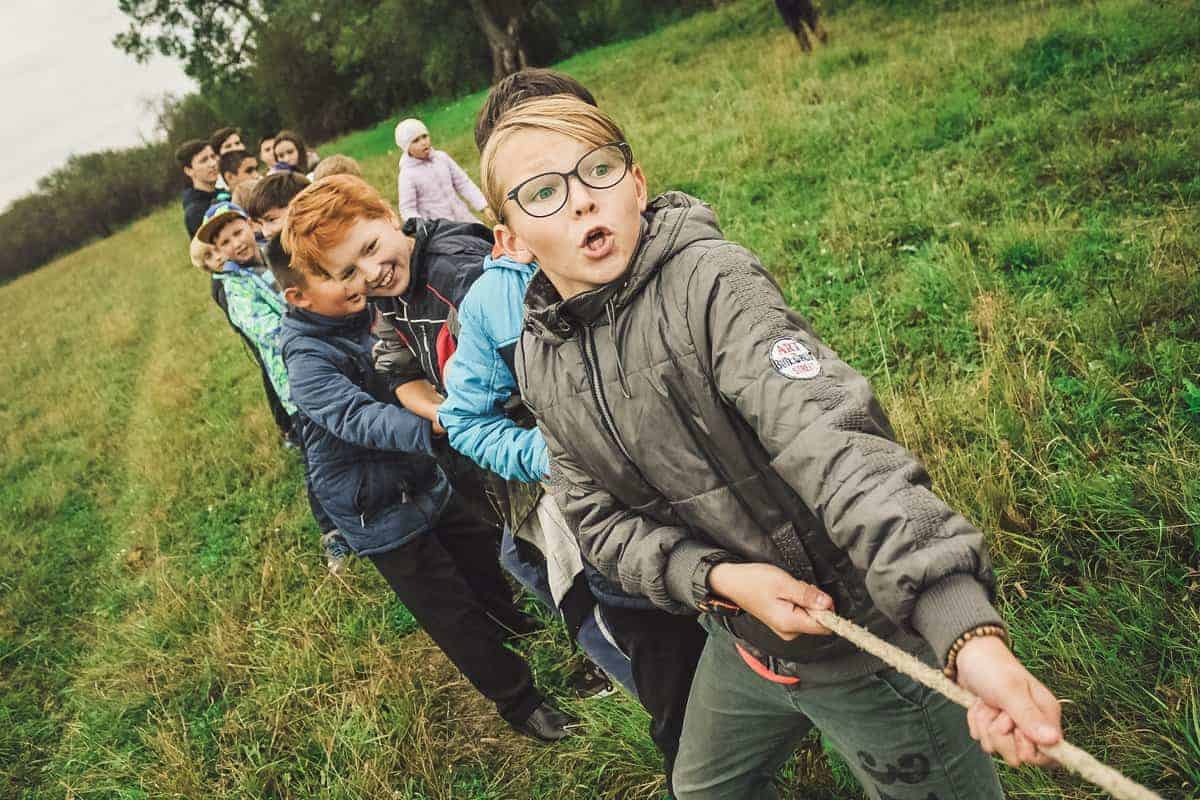
Schools across the UK are discovering that integrating nature into learning can transform how students feel and perform throughout the day.
Integrating nature into schools supports students' emotional health, sharpens their focus, strengthens their thinking skills and helps them develop a deeper respect for the environment.
Here, we'll explore the benefits of nature-based learning and discuss practical ways your school can bring nature into everyday teaching. Whether your school has limited outdoor space or extensive grounds, there are approaches that work for various settings and circumstances.
1. Enhances emotional wellbeing by reducing stress and anxiety
Integrating nature through outdoor learning spaces creates a calmer learning environment for students. Natural elements help reduce stress and anxiety whilst improving overall mood.
Students face daily pressures from academics and social situations. When you introduce natural spaces, you provide them with a mental break from these stressors.
Exposure to nature enhances mental health by helping individuals cope with normal life challenges. Your students benefit from these same effects when nature becomes part of their daily school experience.
Natural environments also support students' emotional regulation throughout the school day. When pupils feel less anxious, they're better equipped to focus on learning and participate in class activities.
2. Improves concentration and focus during lessons
Regular exposure to nature can help students pay attention better during lessons. Research shows that regular access to nature can improve concentration in students, both at school and at home.
Access to nature has also been linked to increased attention span, better memory and reduced sensory overload. Students can focus more easily when they're not overwhelmed by their surroundings.
As well as access to outdoor learning opportunities like a forest school, simple classroom additions like plants, more natural light or nature-inspired displays can make a difference. These elements work by reducing stress and creating a more comfortable learning space. Your students' brains can process information more effectively when they feel relaxed and connected to their environment.
3. Boosts cognitive development through hands-on learning
When your students interact with nature directly, they develop stronger thinking skills. Outdoor learning and forest schools improve attention, motivation and working memory through both passive and active engagement with natural environments.
Nature-based activities allow your pupils to apply classroom knowledge in practical settings. This hands-on approach strengthens critical thinking abilities and deepens their understanding of academic subjects.
Engaging with surroundings in a hands-on manner enables students to move beyond theoretical learning. They can touch, observe and experiment with real-world materials to enhance theoretical learning.
The structured yet open-ended nature of forest school creates unique opportunities for cognitive growth. Students engage in inquiry-based activities that encourage them to think critically about their environment. This process naturally sharpens problem-solving skills and analytical thinking.
Nature-based learning combines traditional education with outdoor experiences, creating a dynamic curriculum that sparks curiosity. The natural world provides endless materials for exploration, from observing insects to measuring plant growth, all whilst building essential cognitive abilities.
4. Encourages physical activity and outdoor play
When you give students opportunities for outdoor learning, you create opportunities for them to move their bodies more throughout the day. Natural environments invite exploration and active engagement more than indoor learning.
Outdoor learning spaces allow your pupils to run, climb, balance and navigate different terrains. These activities strengthen their muscles and improve coordination. Physical activity through nature play supports better overall health outcomes for children.
Nature-based activities encourage movement that feels natural rather than forced. Your pupils might collect leaves, build with sticks or observe insects up close. These tasks require physical activity without feeling like formal exercise.
Natural outdoor settings promote collaboration and communication through group activities that keep children active. Working together on outdoor projects means pupils spend less time sitting and more time engaged in purposeful movement.
Regular access to outdoor learning helps establish healthy habits early. When you incorporate nature into your teaching, you give children positive associations with being active outdoors that can last throughout their lives.
5. Creates a lifelong appreciation for the environment
Building a nature connection during childhood shapes how children view the world as adults. Nature-based learning helps students develop meaningful relationships with the environment.
Direct experiences with ecosystems and wildlife create lasting impressions that influence future attitudes. Students who regularly interact with nature in school are more likely to care about environmental issues later in life.
Through nature-based education, students learn to value and protect natural resources. Simple activities like caring for plants or observing seasonal changes teach responsibility towards the environment.
Integrating biophilia into education creates a holistic experience that nurtures appreciation beyond academic subjects. Students begin to understand their role in environmental stewardship through daily exposure to natural elements.
This early connection influences how your students approach climate change and wildlife conservation as they grow older. The habits and values they develop now will guide their environmental decisions throughout their lives.
6. Integrates nature into subjects like maths, science and art
Nature provides real learning opportunities for curriculum learning. You can teach maths through measuring tree heights, counting leaves or exploring patterns in pinecones and flowers.
Science lessons become more engaging when students conduct experiments outdoors and experience science in natural contexts. They can observe plant growth, study insects or carry out soil pH testing in your school grounds or nearby, if you don't have a dedicated outdoor space or forest school.
Art activities naturally connect with the outdoors through drawing natural objects, creating sculptures from sticks and stones or using natural materials for painting. Your pupils can develop observation skills whilst creating artwork inspired by their environment.
Geography and history lessons gain depth when you take students outside for fieldwork. They can study local ecosystems, map school grounds or explore how people used natural resources in the past.
Even literacy can be enhanced through nature-based activities. Students can write poetry about seasons, create nature journals or develop descriptive language during forest school lessons.
This approach delivers academic outcomes whilst making learning more memorable. You can make your pupils' curriculum learning richer when you use nature as a teaching tool across different subjects.
7. Builds confidence through outdoor experiments and exploration
When you take learning outside, your students can gain confidence through new experiences. Outdoor experiments let children test ideas and solve problems on their own terms.
Nature-based activities give students hands-on experiences that build self-assurance through physical challenges and emotional growth. They learn to trust their abilities as they navigate unfamiliar environments.
Pupils can develop greater independence and self-esteem when they explore natural spaces. Simple activities like observing insects or measuring tree heights allow them to make discoveries without constant adult direction.
Outdoor learning helps children build curiosity and confidence through progressively complex projects. Forest school provides space for trial and error without the pressure of formal assessment. Students gain resilience as they experiment, adjust their methods and try again. This process strengthens their belief in their own abilities whilst fostering a genuine love of learning.
8. Cultivates curiosity and engagement with real-world contexts
Nature provides authentic learning opportunities that connect classroom lessons to real-world situations. When students observe plant growth in a garden or analyse stream flow patterns, they see how theoretical knowledge applies to tangible experiences.
These direct interactions with natural environments make abstract concepts easier to grasp. Students develop deeper understanding because they're experiencing real-world situations.
Real-world connections create responsibility and boost engagement across all subject areas. Students become more motivated when they recognise how their learning relates to everyday life. Nature-based activities like data collection during outdoor experiments or observing wildlife behaviour transform passive learning into active exploration.
This approach helps students ask questions naturally. They want to know why leaves change colour or how weather patterns work because they've witnessed these phenomena directly. Introducing nature-based learning transforms ordinary lessons into captivating experiences that spark genuine wonder and maintain student interest throughout the learning process.
Frequently asked questions
Natural elements in schools affect students in measurable ways, from improved focus to lower stress levels. Schools can bring nature into learning through specific design choices, curriculum changes and outdoor spaces.
How can exposure to natural elements impact student concentration and performance?
Natural elements help students focus better during lessons. Time spent in nature positively supports health and wellbeing, which translates to improved attention in the classroom.
Additionally, students in classrooms with natural light, plants and views of green spaces maintain concentration for longer periods. Their academic performance improves because they spend less mental energy fighting distractions.
What strategies can schools implement to integrate nature into existing curriculums effectively?
You can start by taking lessons outdoors for subjects like science, maths and art. Students might explore forest ecosystems for biology or identify patterns in leaves for maths lessons.
Nature-based learning transforms traditional education by taking lessons outdoors, integrating the natural environment into the curriculum. This approach works across multiple subjects without requiring a complete curriculum overhaul.
Indoor strategies include bringing natural materials into classrooms for experiments and activities. You can ask students to photograph nature, write about outdoor experiences or create art with materials found outside.
Biophilic design elements like plants, natural light, and nature-inspired patterns make indoor spaces feel more connected to the outdoors.
What are the psychological benefits for children who engage with nature during school hours?
A strong nature connection has many benefits for your pupils. Children who spend time in nature during school show reduced stress and anxiety levels. Connecting with nature can help boost children's moods, improve focus and help them to feel less stressed and anxious.
Nature exposure builds emotional resilience in young people. They develop better coping mechanisms for daily challenges and experience improved overall mental health.
How does incorporating green spaces within school grounds support well-being?
Green spaces on school grounds provide areas for physical activity and outdoor play. Students can run, explore and engage in active learning that benefits their physical health.
These spaces serve as outdoor classrooms or forest schools where you can hold lessons in fresh air. The change of environment helps students feel more alert and engaged with their learning.
Learning outside the classroom can help children develop key life skills such as teamwork, communication and resilience. Green spaces create natural opportunities for collaborative activities and problem-solving.
School gardens and nature areas give students hands-on experience with growing food and observing wildlife. These direct experiences build practical knowledge and environmental awareness.
What considerations should schools take into account when designing outdoor learning environments?
Safety remains the primary concern when creating outdoor learning spaces. You need to assess potential hazards, ensure proper supervision arrangements and establish clear boundaries for outdoor areas.
Consider accessibility for all students when designing outdoor spaces. Paths should accommodate children with physical disabilities, and activities should work for different ability levels.
Weather protection matters for year-round use. Shelters, covered areas or flexible scheduling allow outdoor learning to continue in various conditions.
Choose native plants and natural features that require minimal maintenance. Your outdoor classroom should be sustainable and provide habitat for local wildlife whilst remaining safe for students.
Storage for outdoor learning materials needs planning. You want easy access to tools, seating and resources without cluttering the natural space.