
News
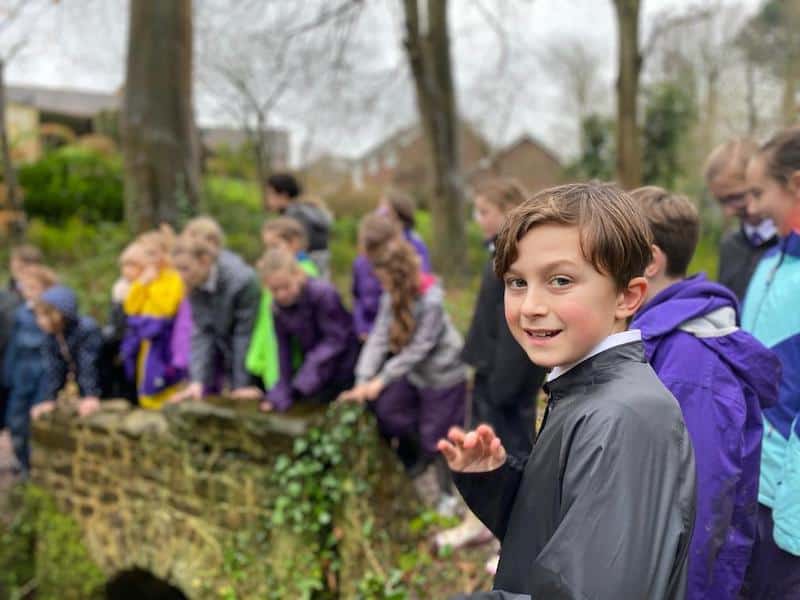
Schools have a duty to embed sustainability both in their practices and in their curriculum. An awareness of environmental issues amongst both students and staff means everyone can work together collectively for a greener future.
Sustainability in schools not only sets the groundwork for a greener future but also enriches students' educational experiences by incorporating real-world environmental challenges into their learning.
Claudia Bickford-Smith, aldates global education
Educational institutions are uniquely positioned to lead the way in creating a sustainable future. By adopting green policies and practices, such as reducing waste and using energy-efficient resources, schools can positively impact their communities and the environment. What's more, when you incorporate sustainability into the curriculum, you provide students with the tools and knowledge they need to address pressing environmental problems.
Creating an eco-friendly school environment requires commitment and collaboration among educators, students and the community. It involves understanding the challenges of climate change, setting achievable goals and celebrating successes. As you explore ways to build a sustainable school, you ensure that students grow up to be environmentally responsible citizens.
Key takeaways
- Sustainability in schools enhances educational experiences by tackling real-world issues.
- Schools play a key role in teaching eco-friendly habits for a greener future.
- Eco-friendly education involves community collaboration and commitment.
Building a sustainable school environment
Creating a sustainable school involves optimising energy use, promoting environmental responsibility, and developing green infrastructure. Each part works towards reducing the school's carbon footprint and providing a practical example of sustainable practices to students and staff.
Optimising energy use in schools
To cut down on energy consumption, schools can implement a range of energy-efficient measures. Start by assessing your current energy usage to identify areas for improvement. Upgrading to energy-efficient lighting and appliances can significantly reduce power demands. Installing programmable thermostats and ensuring proper insulation in school buildings also helps in cutting energy costs and wastage.
Renewable energy projects, such as installing solar panels or allowing students to plant trees, offer long-term benefits. These not only decrease reliance on fossil fuels but also serve as educational tools. By incorporating a water management plan, schools can further conserve resources, highlighting the importance of responsible resource use. Encouraging students and staff to be energy-conscious can have a lasting impact on the entire school community.
Promoting environmental responsibility
Instilling a sense of environmental responsibility begins in the classroom. Education around sustainable practices and climate action equips students with essential green skills. Incorporate lessons on recycling, reducing food waste and using recyclable wrappers in everyday school life.
Engage students in activities such as setting up a school garden. This hands-on approach creates an understanding of natural resources and cultivates a lasting connection to nature. Encouraging initiatives like litter-picking or maintaining composting systems helps students appreciate their role in addressing the climate crisis.
School staff and leaders should promote these positive climate actions. By advocating for an environmental sustainability strategy, they model responsibility and encourage student participation. This strategy should become part of a broader school culture that values sustainability.
Creating green infrastructure
Investing in green infrastructure is a step on the journey towards becoming a sustainable school. Green roofs, for example, improve insulation and reduce energy costs while enhancing biodiversity. These can also serve as outdoor classrooms, enriching science and biology lessons.
Developing sustainable school buildings is another significant step. Use eco-friendly materials and designs that take advantage of natural light and ventilation. Efficient water management plans, including rainwater harvesting systems, help conserve water.
Sustainable schools aim to create healthier places for learning. This commitment to eco-friendly design not only reduces your school's carbon footprint but positively impacts students' wellbeing and academic performance. Balancing immediate needs with long-term sustainability goals results in a resilient school environment.
Incorporating sustainability into education
Sustainability in education requires practical actions and preparing students with the skills they need to address environmental issues. It connects eco-friendly practices with learning for future generations who can champion environmental causes.
Integrating eco-friendly practices
Incorporating eco-friendly practices in schools helps reduce the environmental impacts of education. Begin by adopting energy conservation measures such as using LED lighting and installing solar panels and encouraging waste reduction through recycling programmes and composting initiatives. Make classrooms greener by using energy-efficient appliances and eco-friendly materials. Engaging the wider school community in projects like tree planting will benefit both local ecosystems and educational institutions.
Work with international partners to share best practices and learn from successful models. We work with schools on both a national and global scale to support sustainability, inclusivity and wellbeing. We not only support schools in lowering their carbon footprints, but we also provide practical learning opportunities for students and staff.
Equipping future generations
To prepare students for future challenges, focus on environmental education that highlights the effects of climate change and environmental degradation. Integrate sustainability initiatives across various subjects, allowing students to see relevance in diverse fields. Schools can develop skills through projects where students can act as a generation of activists, researching and proposing solutions to environmental issues.
You can offer extracurricular activities that support skill development, such as eco-clubs or partnerships with community organisations. These provide opportunities for students to take part in local conservation efforts and create positive impacts. By equipping future generations with knowledge and experience, you empower them to lead change within the school community and beyond.
Frequently asked questions
Discover how schools can integrate sustainable practices into their daily operations and curriculum and understand the significant impact of sustainability education on students and communities.
How can educational institutions integrate eco-friendly practices into their daily operations?
Schools can start by reducing energy consumption through efficient lighting and heating systems. Waste management is another important area, so promote recycling and reducing plastic use on your school premises. Incorporating learning via nature-based solutions such as school gardens also plays a vital role in daily eco-friendly activities.
In what ways can sustainability be embedded within the curriculum to enhance environmental education?
Integrating sustainability across subjects makes it a core part of the curriculum. Encouraging outdoor classrooms and project-based learning creates a deeper connection with nature. Aligned with organisations like Aldates Education, schools can use resources and activities designed to support these efforts.
What steps are necessary for a school to achieve the Eco-Schools status, and what benefits does it confer?
To earn Eco-Schools status, schools need to undertake a seven-step process, which includes conducting an environmental review and creating an action plan. This status brings many benefits, including improved school facilities, reduced costs and an enhanced reputation for commitment to sustainability and environmental education.
What impact does educating for sustainability have on students and the wider community?
Sustainability education empowers students to become eco-conscious leaders. It broadens awareness about environmental issues and promotes active participation in addressing these challenges. This education creates a culture of responsibility that extends beyond the school, encouraging sustainable practices within the wider community.
How can schools involve students and staff in the development and implementation of eco-friendly initiatives?
Encourage participation by forming environmental committees where students and staff collaborate on projects. Hands-on activities like tree planting or recycling drives boost engagement. Schools can also organise workshops and events that showcase the importance of sustainability, thereby involving everyone in meaningful environmental actions.